 What is Ramadan?
Ramadan is practiced by Muslims worldwide as a month of fasting, prayer, reflection, practising kindness, patience and community. Muslims fast every day during the month from sunrise until sunset. This means they must completely abstain from all food and drink during this time. A meal is eaten before sunrise (suhoor) and after sunset (iftar).
The holy month of Ramadan is a great opportunity to focus on a balanced and healthy diet as fasting can help you manage your eating habits.
-During Ramadan the body needs enough energy from healthy foods to manage hunger and thirst throughout the day.
Consuming fast food at iftar or skipping sahur after long hours of fasting; It can cause blood sugar fluctuations, digestive problems and fatigue during the day. For this reason, it is very important to have sahur and healthy iftar meals.
It is possible to spend the month of Ramadan healthily and more energetically with a good food choices and right portion control.
Here are 5 healthy nutrition recommendations for those who fast
1. Have a sahoor
Sahur is the most critical meal to maintain your energy throughout the day.
Long-term fasting can cause a slowdown in metabolic rate. Therefore, it is important not to skip the sahur meal, get enough protein and avoid excessive calorie load at iftar. Balanced meal planning helps maintain metabolism.
This meal should definitely include protein sources (eggs, yoghurt, cheese), complex carbohydrates such as whole grain bread, and healthy fats. Foods with high fiber content (oats, vegetables, walnuts, almonds) prolong satiety and help balance blood sugar. Excessively salty and processed foods should be limited as they may increase the feeling of thirst during the day.
2. Break the fast with light vegetable dish or a bowl of soup
Filling the stomach with heavy meals after a long period of fasting can cause digestive problems. After breaking the fast with a light starter such as water and dates, continuing with soup facilitates digestion. Taking a short break before moving on to the main meal helps create satiety signals and prevents overeating.
3. Pay attention to portion control in the Iftar
While the number of meals decreases during Ramadan, portions may increase. Following a balanced plate pattern, limiting sweet consumption and taking a light walk after iftar will support weight control.
Grilling, boiling or baking methods should be preferred instead of fried and excessively fatty dishes at iftar. Balancing half of the plate with vegetables, one-fourth with protein sources (meat, chicken, fish, legumes) and the remaining with whole grains provides a healthy model. If you are going to consume dessert, milk or fruit desserts should be preferred instead of sherbet options.
4. Make sure you drink enough water
Adequate fluid intake between iftar and sahur is of great importance. To meet daily water needs, water should be drunk regularly during this period and excessive caffeinated drinks should be avoided. It is healthier to consume water over time rather than all at once.
5. Eat slowly and try to do physical activity
Consuming food slowly and by chewing it well facilitates digestion and increases the feeling of fullness. In addition, light-paced walks 1-2 hours after iftar support digestion and help keep the metabolism balanced.
Ways to balance blood sugar while fasting
To prevent sudden weakness and dizziness during the day, foods with a low glycemic index should be preferred. Whole grains, legumes and protein sources keep blood sugar levels more stable. Meals high in sugar and refined carbohydrates can cause sudden declines.
What are the foods that keep you full for a long time during sahur?
Foods are high in fiber and protein make you to feel full for a long time. Eggs, yoghurt, oats, whole grain bread and raw nuts are among the ideal options for sahur.
How should healthy desserts be chosen for iftar?
Instead of high sugary and heavy desserts, milk based desserts , puddings, fruit-based desserts are better options. Dessert consumption should be planned some time after the main meal, not immediately after breaking the fast.
Sample menu for Ramadan
Sahoor
– 1-2 slices of bread or pita
– 1-2 slices of cheese or 1 egg
– 5-6 olives or 2 whole walnuts
– Tomatoes, cucumbers;
– Fruit or 1-2 teaspoons of honey or jam
– 1 glass of warm milk
or
– 1 bowl of soup
– 1 bowl of yoghurt
– 1 portion of meat, vegetable or meat dish
– 1- 2 slices of bread
– Tomato, cucumber
Iftar
– 1-2 olives or dates or cheese
– 1 bowl of soup
– 1 portion of meat dish or vegetable dish with meat
– Salad (low fat)
– 2-3 slices of bread or pita or rice or pasta or 1 slice of pastry
-Snack: 2 fruits + 1 glass of milk or yoghurt or 1 bowl of fruit compote (unsweetened) + milk at bedtime

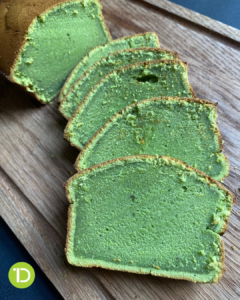 Matcha is a natural energy booster, highly beneficial, and packed with antioxidants, vitamins, and minerals. Due to its high caffeine content, it helps us feel more alert and enhances concentration.
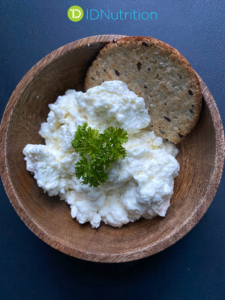 HOMEMADE RICOTTA (in 10 min⏰ )
 The quickest and healthiest way to cook vegetables is to roast them.