• Mon - Sat 8.00 - 18.00. Sunday CLOSED

PERSONALIZED SOLUTIONS

PLENTY OF PACKAGES

EASY TO ACCESS

Tolk Free : +44 7717 060882

Author Archives: idnutrition.co.uk

Healthy Ramadan

What is Ramadan?

Ramadan is practiced by Muslims worldwide as a month of fasting, prayer, reflection, practising kindness, patience and community. Muslims fast every day during the month from sunrise until sunset. This means they must completely abstain from all food and drink during this time. A meal is eaten before sunrise (suhoor) and after sunset (iftar).

The holy month of Ramadan is a great opportunity to focus on a balanced and healthy diet as fasting can help you manage your eating habits.


-During Ramadan the body needs enough energy from healthy foods to manage  hunger and thirst throughout the day.
Consuming fast food at iftar or skipping sahur after long hours of fasting; It can cause blood sugar fluctuations, digestive problems and fatigue during the day. For this reason, it is very important  to have sahur and healthy iftar meals.
It is possible to spend the month of Ramadan healthily and more energetically with a good food choices and right portion control.


Here are 5 healthy  nutrition recommendations for those who fast

1. Have a sahoor

Sahur is the most critical meal to maintain your energy throughout the day.

Long-term fasting can cause a slowdown in metabolic rate. Therefore, it is important not to skip the sahur meal, get enough protein and avoid excessive calorie load at iftar. Balanced meal planning helps maintain metabolism.

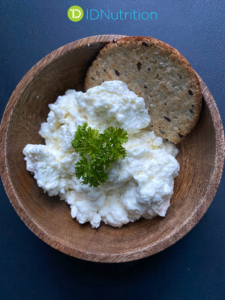
This meal should definitely include protein sources (eggs, yoghurt, cheese), complex carbohydrates such as whole grain bread, and healthy fats. Foods with high fiber content (oats, vegetables, walnuts, almonds) prolong satiety and help balance blood sugar. Excessively salty and processed foods should be limited as they may increase the feeling of thirst during the day.

2. Break the fast with light vegetable dish or a bowl of soup

Filling the stomach with heavy meals after a long period of fasting can cause digestive problems. After breaking the fast with a light starter such as water and dates, continuing with soup facilitates digestion. Taking a short break before moving on to the main meal helps create satiety signals and prevents overeating.

3. Pay attention to portion control in the Iftar

While the number of meals decreases during Ramadan, portions may increase. Following a balanced plate pattern, limiting sweet consumption and taking a light walk after iftar will support weight control.

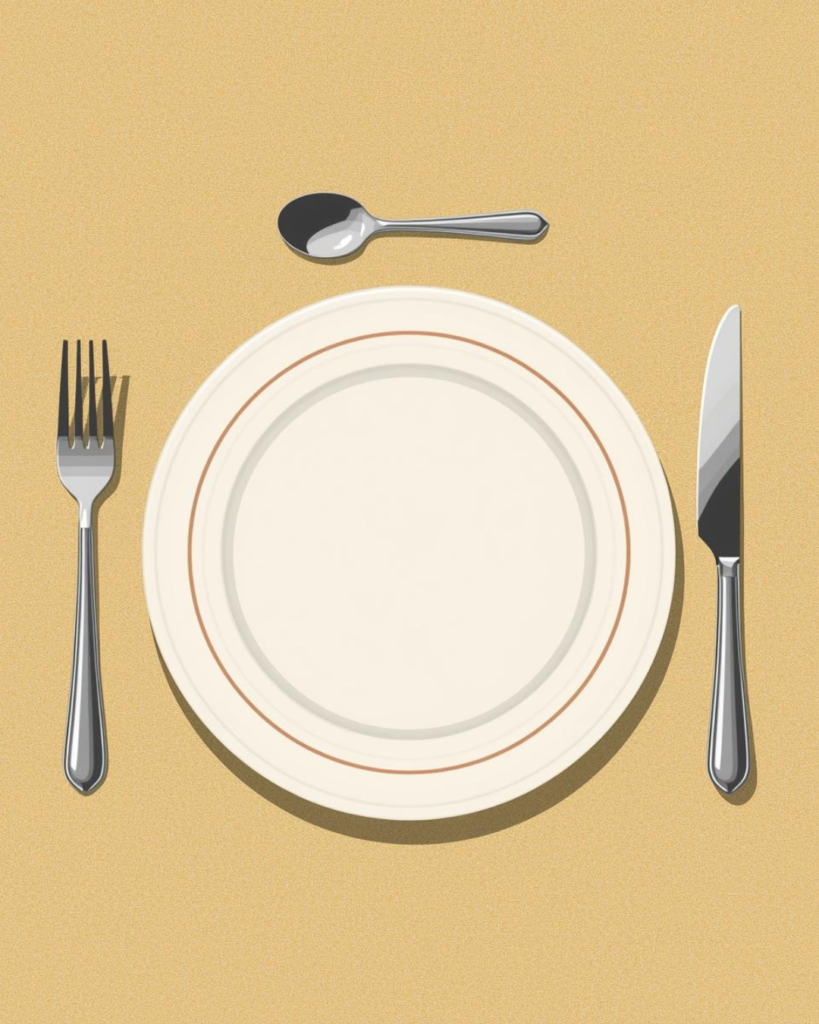
Grilling, boiling or baking methods should be preferred instead of fried and excessively fatty dishes at iftar. Balancing half of the plate with vegetables, one-fourth with protein sources (meat, chicken, fish, legumes) and the remaining with whole grains provides a healthy model. If you are going to consume dessert, milk or fruit desserts should be preferred instead of sherbet options.

4. Make sure you drink enough water

Adequate fluid intake between iftar and sahur is of great importance. To meet daily water needs, water should be drunk regularly during this period and excessive caffeinated drinks should be avoided. It is healthier to consume water over time rather than all at once.

5. Eat slowly and try to do physical activity

Consuming food slowly and by chewing it well facilitates digestion and increases the feeling of fullness. In addition, light-paced walks 1-2 hours after iftar support digestion and help keep the metabolism balanced.


Ways to balance blood sugar while fasting

To prevent sudden weakness and dizziness during the day, foods with a low glycemic index should be preferred. Whole grains, legumes and protein sources keep blood sugar levels more stable. Meals high in sugar and refined carbohydrates can cause sudden declines.

What are the foods that keep you full for a long time during sahur?

Foods are high in fiber and protein make you to feel full for a long time. Eggs, yoghurt, oats, whole grain bread and raw nuts are among the ideal options for sahur.

How should healthy desserts be chosen for iftar?

Instead of high sugary and heavy desserts, milk based desserts , puddings, fruit-based desserts are better options. Dessert consumption should be planned some time after the main meal, not immediately after breaking the fast.

Sample menu for Ramadan

Sahoor

– 1-2 slices of bread or pita

– 1-2 slices of cheese or 1 egg

– 5-6 olives or 2 whole walnuts

– Tomatoes, cucumbers;

– Fruit or 1-2 teaspoons of honey or jam

– 1 glass of warm milk

or

– 1 bowl of soup

– 1 bowl of yoghurt

– 1 portion of meat, vegetable or meat dish

– 1- 2 slices of bread

– Tomato, cucumber

Iftar

– 1-2 olives or dates or cheese

– 1 bowl of soup

– 1 portion of meat dish or vegetable dish with meat

– Salad (low fat)

– 2-3 slices of bread or pita or rice or pasta or 1 slice of pastry

-Snack: 2 fruits + 1 glass of milk or yoghurt or 1 bowl of fruit compote (unsweetened) + milk at bedtime


The Effect Of Fasting On Human Metabolism


What is fasting? 

Fasting is the voluntary stop eating   food and drink for a period of time.  


We all have heard of intermittent fasting, no doubt. On the other hand,  did you know fasting has been practiced for thousands of years for religious purposes and physical health?


Let’s check out how fasting is making a place for religious purposes.

✨ Fasting is a  religious purpose to humble oneself, express repentance, seek spiritual strength, and God’s guidance.

✨Spiritual growth is taking place when subdue physical desires. Eating is one of the most basic desires that humans  have in daily life. So, avoiding certain foods during fasting strengthens the soul and spirituality.

Let’s check out how Fasting is being practicing in religious. 

For Muslims, Ramadan is the holiest month of the year to fast. In Islam, Ramadan fasting is one of the five key pillars. Many muslims from all across the world fast during daylight hours for 29,30 days, eat only 2 times a day, beginning with the ‘suhoor’ or ‘sehri’ just before dawn, and the second time is called the ‘iftar’, which is breaking the fast right after sunset.

For Christians, it’s an act of worship, a biblical discipline —an expression of humility, dependence, and desire for more of God. Common types include Jesus (40 days in the wilderness), no food or water, Esther fast, short-term fast (3-day), or Daniel fast, which is a partial fast, omitting specific foods or meals, such as no meat/sweets, and Nehemiah.

Jewish fasting (Ta’anit) involves abstaining from food and drink; in major fastings, 25-hour fasts are Yom Kippur(Day of Atonement) and Tisha B’Av and minor fastings(Dawn to Nightfall).

What is actually happening when we fast 30 or more days?

1. Reduced Obesity

One of the most obvious benefits of fasting is reducing obesity by using stored fat during the fasting gap. During long term fasting period, liver enzymes reliased to break down cholesterol and fats to convert them into heat, energy, which also increases metabolism and decreases appetite, reducing hunger hormones. So we may see that people have  smaller porsions after a period of fasting.

2. Balanced Insuline Level

Fasting also corrects insuline level. During fasting, insulin in your blood drops significantly, and this helps fat burning in the body’s fat storage. It’s the number one method to regulate blood pressure, insulin levels and reduce fat storage without using drugs.

3. Reduced Blood Pressure

During fasting, the body uses fat, clogging ten arterioles to produce energy, and so metabolic rate is reduced, adrenaline and noradrenaline are also reduced, and this keeps metabolic rate steady, resulting in a reduction in blood pressure.

4. Detoxification

It’s also kind of a detoxification for our body as we keep away from processed foods, processed foods become toxin in our body, which is not good. Most of the time, toxins are stored in fat cells, so using fat stored for energy helps to get rid of toxins of processed foods as well.

5. Resting
Fasting also provides a rest for the digestive system.

6. Regeneration
One of the biggest benefits of fasting is allowing our cells, genes, and hormones to regenerate. This is also known as autophagy, ‘self-eating’. When you don’t eat for a period of time, the body to consuming its own damaged cells. The body begins important cecullar repair and  fix fonctions of hormones.

7. Prevent Alzheimer

Recent studies show that after 12-16 hours fasting (exactly when breaking the fast right after sunset for muslims), the brain switches to ketones- a “superfuel” that repairs neurons which preventa Alzheimer and other mental diseases. 

✨ Fasting is not only a spiritually healing also there are numerous health benefits of fasting in our metabolism.

Easy Roasted Aubergine (Eggplant)

The quickest and healthiest way to cook vegetables is to roast them.
Aubergine is a very popular vegetable in the worldwide especially in middle eastern countries.
There are lots of delicious healthy recipes that you can do with aubergine and serve to your loved ones.
It contains a high amouth of fiber and vitamins that make it much needed in our menus.
That’s the IDNutrition way to roast aubergine in with spices, tomatoes and basil. You can cook your own version with other ingredients in your kitchen.
Also it goes very good with feta cheese or tahini while serving.
Let’s give it a try today and let us know your thoughts on the comment section.

I N G R E D I E N T S :

4 aubergines

2 tbsp olive oil

75g butter

1 tbsp harissa paste

6 tbsp tomatoes sauce

1 small garlic clove crushed

1 tbsp chopped coriander

1 tbsp chopped fresh basil

1 tsp chilli flakes

M E T H O D :

1.Heat the oven to 200C/190C fan / gas 6.

Pierce the aubergines into half then brush with olive oil and put them on a baking sheet.

2.Mix tomatoe sauce, garlic, chilli flakes and harissa paste in a separate bowl.

3.Spead the mix to aubergine pieces.

4.Cut coriander and basil into small pieces and put over the pieces.

5.As a last, put a cube of a butter inside of each piece.

6.Roast for about 40-45 mins, or until the aubergines are completely tender.

7.Once it’s done, you can serve with yogurt, or tahini sauce or feta cheese on top.

Walking or Running ?


Walking and running both provide numerous health benefits. Also, no one is better than the other. Because the choice is best for you, depending on your fitness goal and your health conditions. If your aim is improving athletic performance and burning calories,  running could be an option, but you would like to maintain your weight and optimise your overall health, walking is good for you.  Also where you egzercise and when do you egzercise affces your overall wellbeing. For example,  many people enjoy exercise more in outdoor rather than gym and indoor places.  There is no doubt that walking in nature, egzcersize in outdoor  it’s a great way to connect with nature. Nature is a healer.  Spending time in nature has physical, mental and emotional health benefits. For many people, exercising outdoors has the benefits of both nature therapy, fresh air and physical activity at the same time. Stay healthy and have a great week everyone. 

Buy Yourself A Bunch Of Kale

If you know the benefits, you wouldn’t miss to reward yourself with this super star leafy green!

KALE : a good source of Vitamin K,A, C, has a good amount of calcium, folate & potassium.

There are many types of Kale and it’s colours variety.

Redbor Kale which has a red/ purple color, curly kale has a peppery flavor, Dinasour Kale is the most common with it’s wrinkly leaves like dinasour skin.


How about buying you a favorite type of kale and cooking with a new recipe as a side to your main dish for dinner today!

Hi, How Can We Help You?